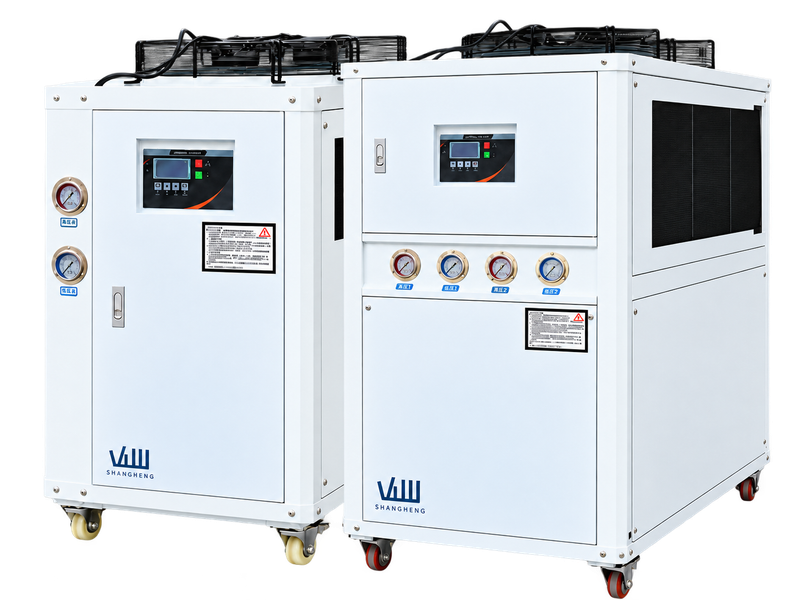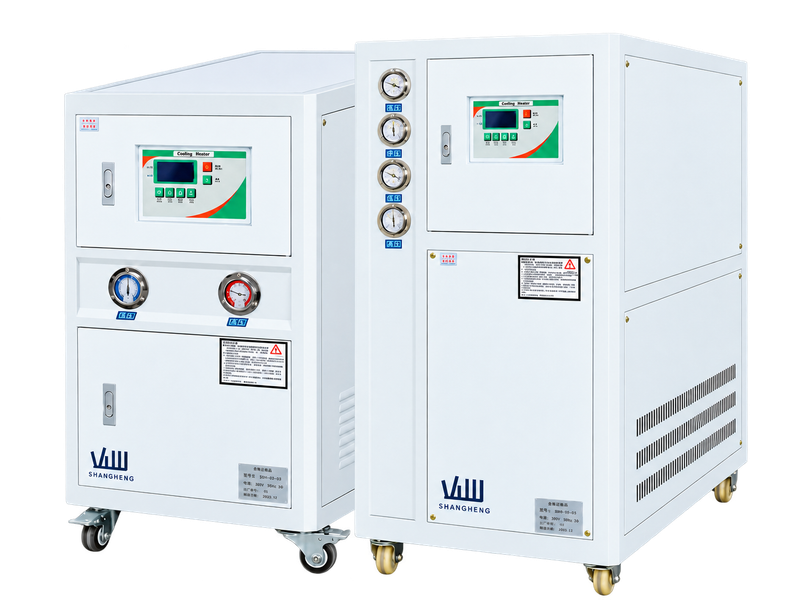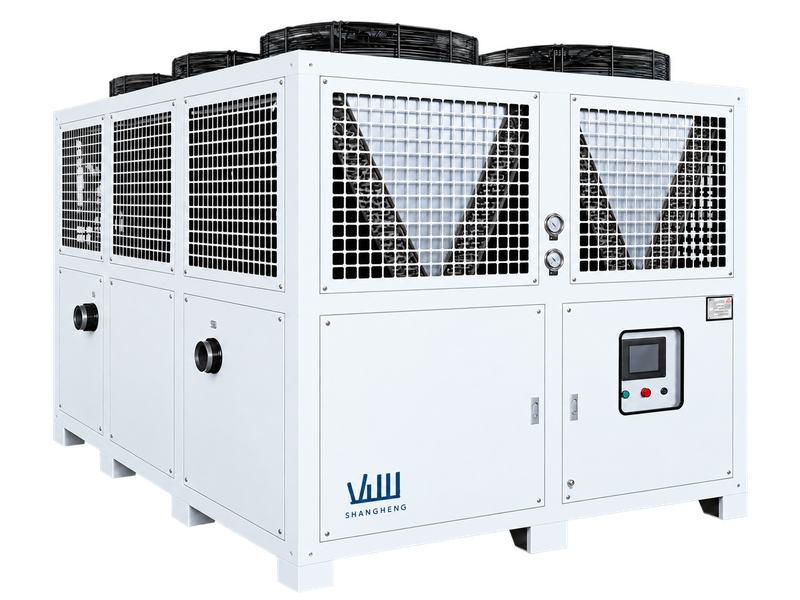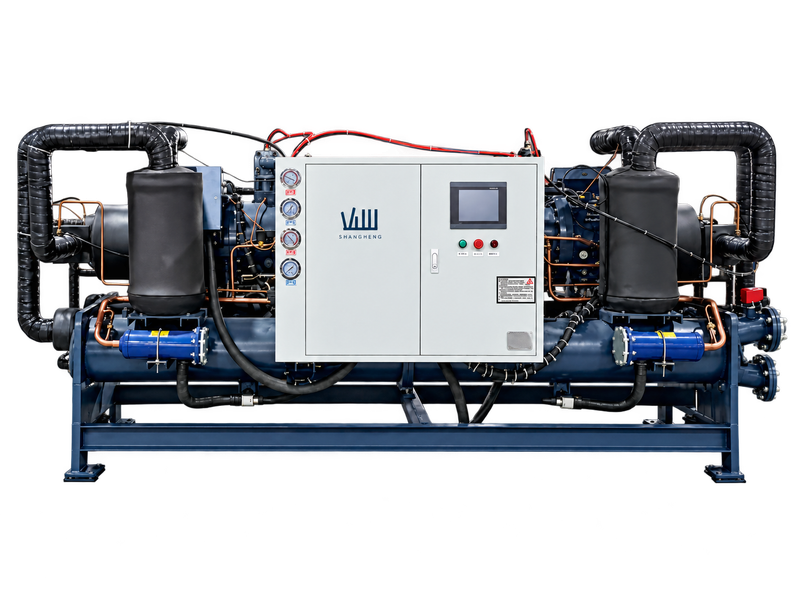
A complete technical record identifies the equipment configuration, test conditions, measurement method and results. Use this checklist to prepare enquiry and acceptance documents, agreeing on recording requirements and acceptance criteria before implementation to support handover, maintenance and later review.
Prepare an operating-condition sheet
Record equipment model, application, schedule and machine interfaces. Separate normal duty, peak duty and start-up. Leave unknown items open and identify who will supply the information.
- Liquid circuits: fluid, supply and return temperatures, flow, pressure drop, pressure limits and heat-load basis.
- Air cooling: target area, heat sources, ventilation, door conditions, occupancy and ambient temperature and humidity.
Define equipment and measurement boundaries
Retain revisions of configurations, drawings and technical agreements. State whether measurements concern a single unit or a system that includes external pumps, heat rejection and process equipment.
- Record model, equipment identification, key options, power supply and control-software revision.
- Mark temperature, pressure, flow and electrical measurement locations on a circuit or site drawing.
Keep interpretable measurement records
Record instrument model, range, resolution and valid calibration information. Agree on sampling intervals and steady-state periods. Align locations, times and units before comparing data.
- Retain original files with a stated time basis, units, load and site conditions.
- For calculated capacity or energy use, document formulas, inputs, fluid properties and boundaries. Keep rated and measured values separate.
Cover operation and agreed functions
Include start-up, steady operation and agreed load changes. Verify alarms and interlocks using safe methods approved for the equipment, documenting trigger and recovery conditions.
- Distinguish displayed values, measured values, stability and process outcomes.
- Agree on pass criteria, abnormal-event handling and retests, and continuously record operating data throughout the agreed test period.
Assemble the handover file
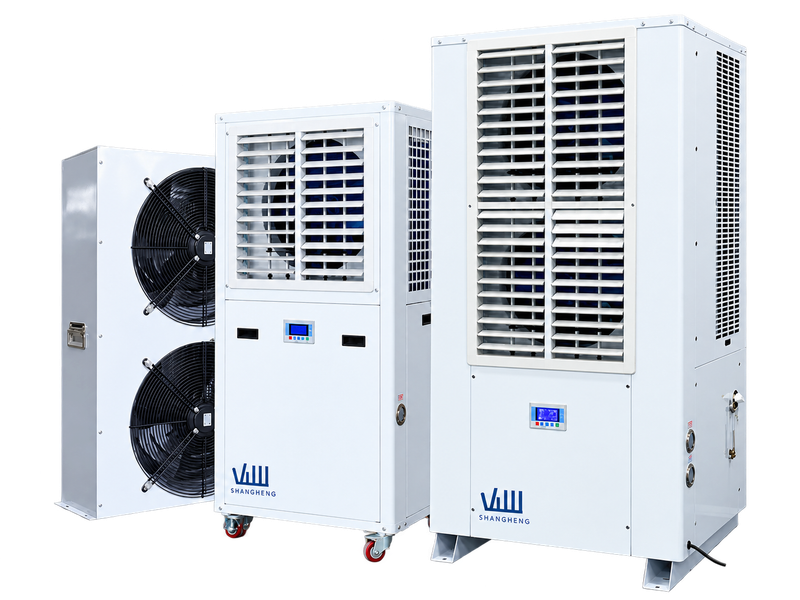
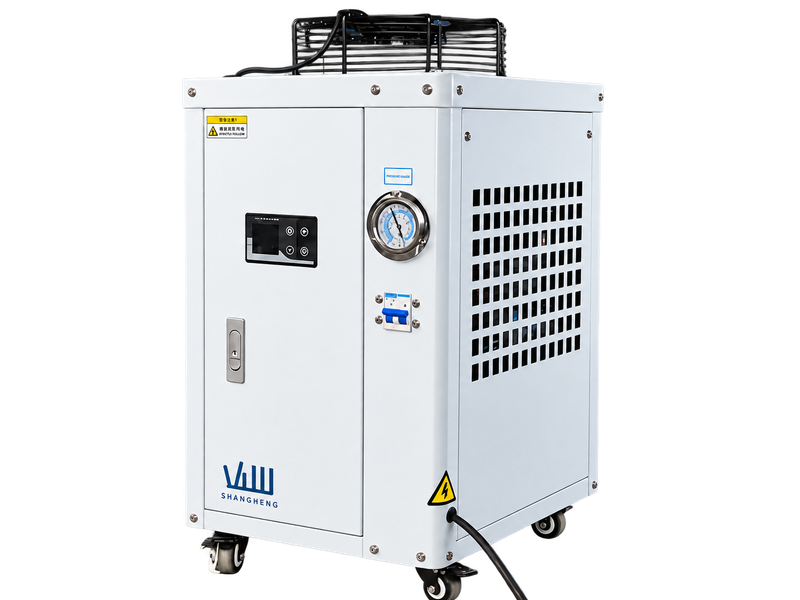
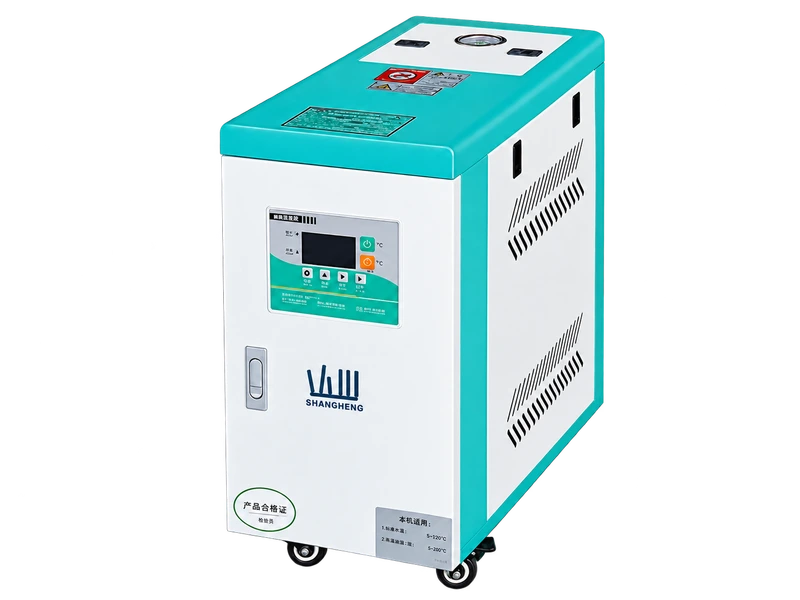
Archive configuration approval, electrical and circuit information, operating instructions, original measurements and acceptance results. Link equipment photographs or videos to the corresponding identification and layout.
- Identify the date, equipment and scene in photographs; identify the test operator, date and applicable conditions in records.
- Maintain an action list with responsibility, completion status and retest results.
Common Questions
What makes a performance record traceable?
It must identify the equipment and configuration, conditions, measurement points, instruments, test period, original data and calculation method. Conclusions should refer to previously agreed acceptance criteria.
Can selection discussions begin before all conditions are known?
Yes. Start with the machine model, application, target temperature and site photographs, then complete the heat-load, flow and interface details. State the basis of preliminary estimates and use confirmed operating conditions for the final configuration.